How we chose these companies
We started from the three companies on our earlier version of this page (Chemyo, Sports Technology Labs and PureRawz) and checked whether each still takes orders. Two do not, so we looked for other US-based SARM sellers that are still trading in October 2026 and that publish enough information to be judged. We visited each store, confirmed that products could be added to a cart, and recorded prices from the vendor's own product listings on October 19, 2026.
We ranked the remaining vendors on signals a buyer can check for themselves. The most important is testing: whether the company posts certificates of analysis (COAs) from a named outside laboratory, how recent they are, and whether they can be matched to a batch number. After that we weighed refund and return terms, shipping options, payment methods, FDA enforcement history, reputation on review sites, and price per milligram.
We did not buy products or send samples to a lab for this update. A posted COA tells you what a vendor says it tested, not what is in the bottle you receive. Some affiliate links on this page earn us a commission; they did not affect the order, and the second-, third- and fourth-ranked vendors have no affiliate link.
Companies we removed
Chemyo, ranked first on our earlier list, has closed. Its official website states that it permanently closed on September 8, 2026, no longer accepts orders or payments, and is still fulfilling orders placed before that date. The notice also warns that other sites using the Chemyo name are impersonators, so do not pay any site claiming to sell Chemyo products.
PureRawz no longer sells products. Its Terms & Conditions, last updated August 12, 2026, describe it as an independent informational and affiliate website that does not sell, stock or ship anything, and its product pages show a Read More button instead of a cart. Before the change, the FDA sent PureRawz a warning letter dated September 8, 2025 over five tianeptine products it sold with 'laboratory and research use only' labels. Science.bio, another formerly popular source, also shows a permanent closure notice.
What are SARMs?
Selective androgen receptor modulators (SARMs) are synthetic compounds that bind to the androgen receptor, the same receptor testosterone acts on. They were developed by drug companies hoping to build muscle and bone with fewer effects on other tissues than anabolic steroids. None has been approved by the FDA for any use.
The most commonly sold SARMs are Ostarine (MK-2866, also called enobosarm), Ligandrol (LGD-4033), Testolone (RAD-140), Andarine (S4), S-23 and YK-11. Several products sold in the same category are not SARMs at all: MK-677 (ibutamoren) is a growth hormone secretagogue, Cardarine (GW-501516) acts on PPAR-delta, and SR9009 is a Rev-ErbA agonist. USADA lists all of them as compounds frequently marketed as SARMs or alongside them.
Are SARMs legal in the US?
SARMs are not FDA approved for any use. The FDA says they cannot be legally marketed in the US as dietary supplements or drugs, and that labelling a product 'for research use only' does not change that when the evidence shows it is intended for people. That is why every vendor on this page sells SARMs as research chemicals 'not for human consumption'.
The FDA does act against sellers. In December 2025 it sent warning letters to several SARM sellers, including Titan SARMs and Pinnacle Peptides, stating that products such as LGD-4033, RAD-140, S-4 and YK-11 were unapproved new drugs despite research-only labels, because evidence from the companies' websites showed they were intended for people. The Titan SARMs letter cited website claims about muscle growth, strength, recovery and fat loss. Swiss Chems received a warning letter in December 2024 over semaglutide and retatrutide listings.
SARMs are banned in sport. The World Anti-Doping Agency lists them under section S1.2 of its Prohibited List, which applies at all times, in and out of competition. Athletes in tested sports should assume any SARM, or any product contaminated with one, can cause a failed test. We have not included claims about pending federal SARM legislation because we could not confirm its current status.
Risks and side effects
The FDA warns that SARMs have been linked to serious problems including liver injury and acute liver failure, increased risk of heart attack and stroke, psychosis and hallucinations, infertility, testicular shrinkage and sexual dysfunction. Its December 2025 warning letters repeat that life-threatening reactions, including liver toxicity, have occurred in people taking SARM products.
Published research points the same way. A 2023 systematic review of SARM safety in healthy adults found case reports of drug-induced liver injury, an Achilles tendon rupture and rhabdomyolysis, and noted raised liver enzymes in clinical trials. An Australian case series published in 2024 described 23 cases of liver injury linked to SARMs, steroids or bodybuilding supplements, most needing hospital admission and one needing a liver transplant. In a small trial of LGD-4033 in healthy young men, even low doses suppressed total testosterone and HDL cholesterol in a dose-dependent way.
Product quality adds a separate risk. A 2017 study in JAMA bought 44 products sold online as SARMs: only 52% contained a SARM, 39% contained a different unapproved drug, 25% contained substances not listed on the label, and only 41% contained the labelled amount. Research-chemical vendors are not inspected the way drug makers are, so contamination and dosing errors are real possibilities. Speak with a doctor before using any unapproved compound, and tell them if you already have.
How to check a vendor before you buy
Start with the certificate of analysis. A useful COA names an independent laboratory you can contact, gives a test date, reports purity by a method such as HPLC, ideally confirms identity by mass spectrometry, and carries a batch or lot number. Then check that the batch number on the COA matches the one printed on the product you receive. A single generic certificate per product, especially one that is several years old, tells you little about the bottle in your hand.
Verify the lab. Search for the lab's name and contact it if needed; several labs that test research chemicals will confirm whether they issued a report. Look for certificates with the lab's own report number, and be cautious when the lab name or contact details are cropped out.
Read the policies before paying. Check whether the vendor offers refunds or only store credit, how long the return window is, what happens if customs seizes a package, and whether it accepts credit cards. Card payments give you chargeback rights, while crypto and bank transfers usually do not.
Watch for red flags: dosing advice or before-and-after photos on a site that says its products are for research only, claims of '99%+ purity' with no named lab, no physical address or company name anywhere, prices far below every competitor, and websites that copy another vendor's layout or prices. Since Chemyo closed, its notice warns that impersonator sites are using its name, so check the domain carefully.
Finally, start small. A first order from a new vendor tells you how quickly it ships, how the product is packaged and labelled, and whether support answers questions about batch numbers. Some buyers send samples to an independent testing lab themselves; if you do, keep the lot number and the original packaging, because vendors such as Swiss Chems only consider third-party results tied to a specific lot and reported within a set window after delivery.
Liquids, capsules or powders?
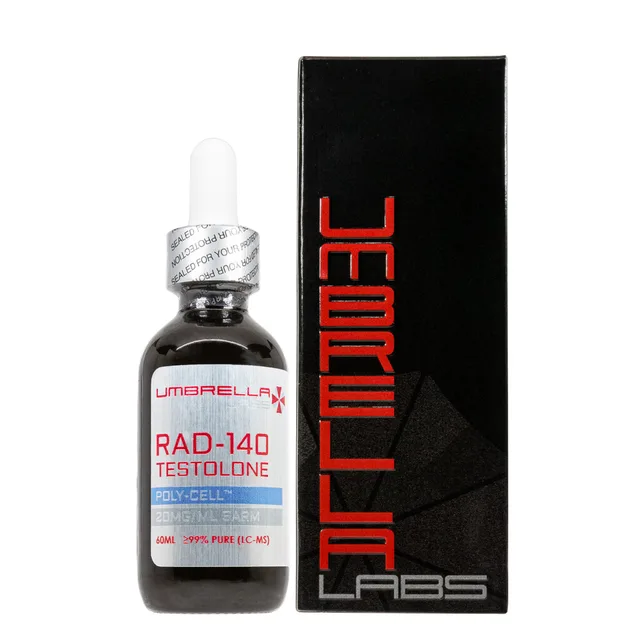
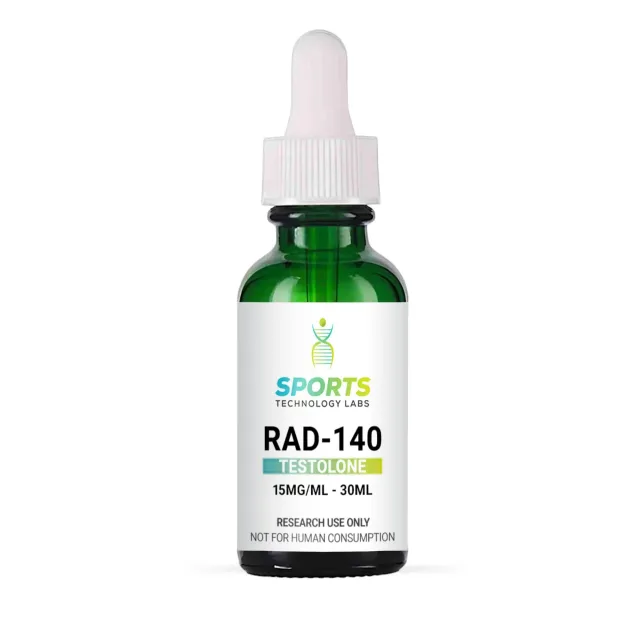
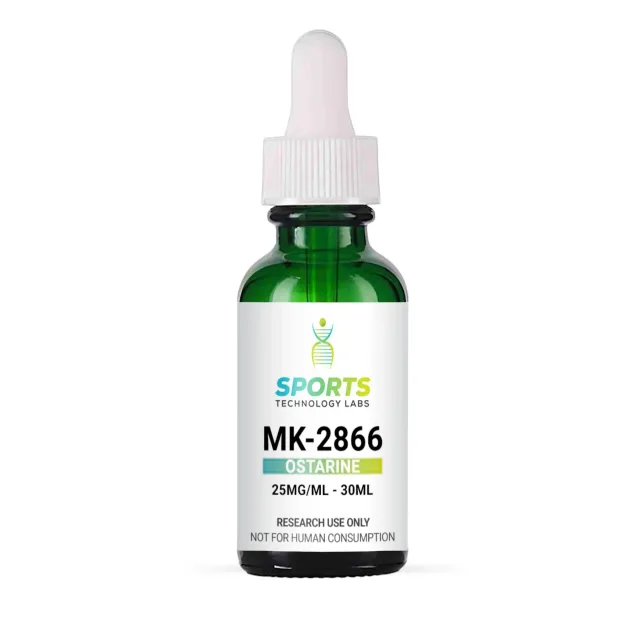
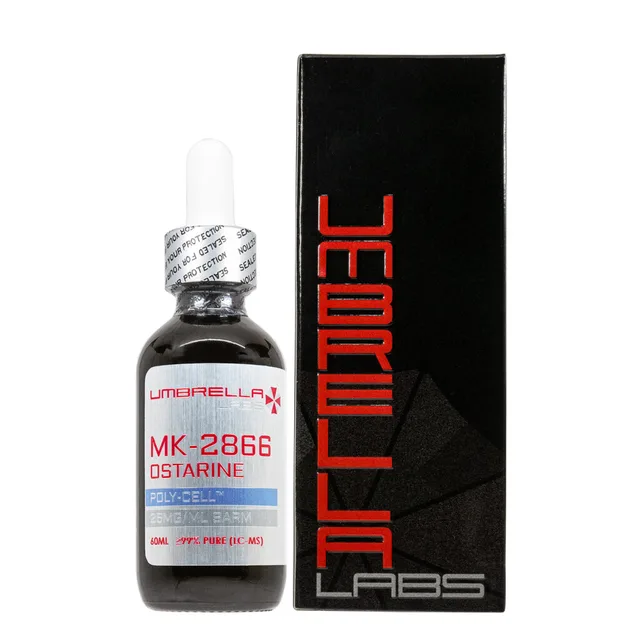
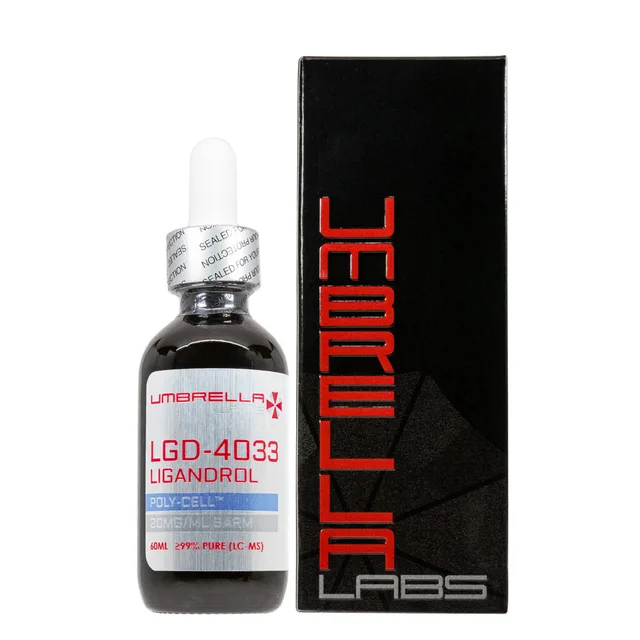
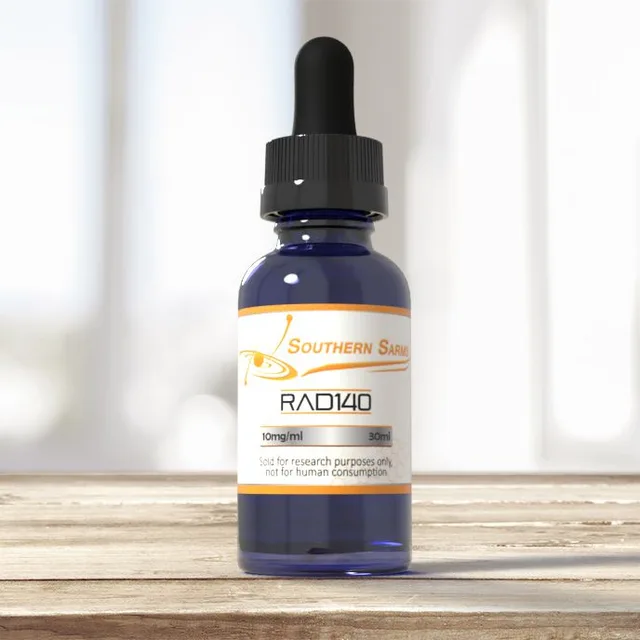
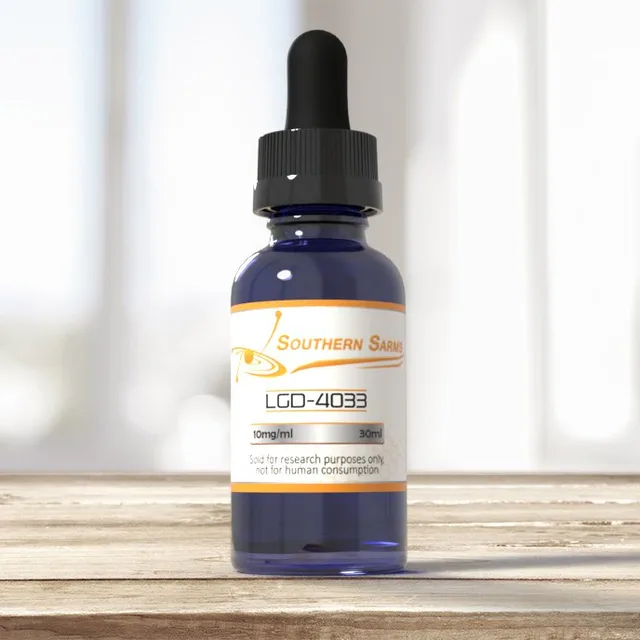
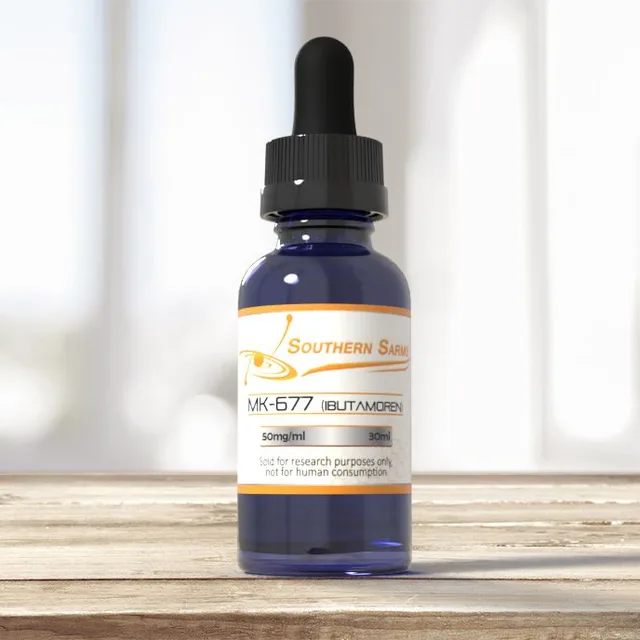
The vendors on this page sell the same compounds in different forms, and the form affects both price and how much you can trust the label. Liquids are the compound dissolved in a solvent, usually polyethylene glycol (PEG-400). They are easy to measure with a graduated dropper, but the concentration depends on the vendor mixing accurately, and some compounds can fall out of solution in the cold. Sports Technology Labs, Umbrella Labs and Southern SARMs all sell 30 mL liquids, at concentrations from 10 to 50 mg/mL.
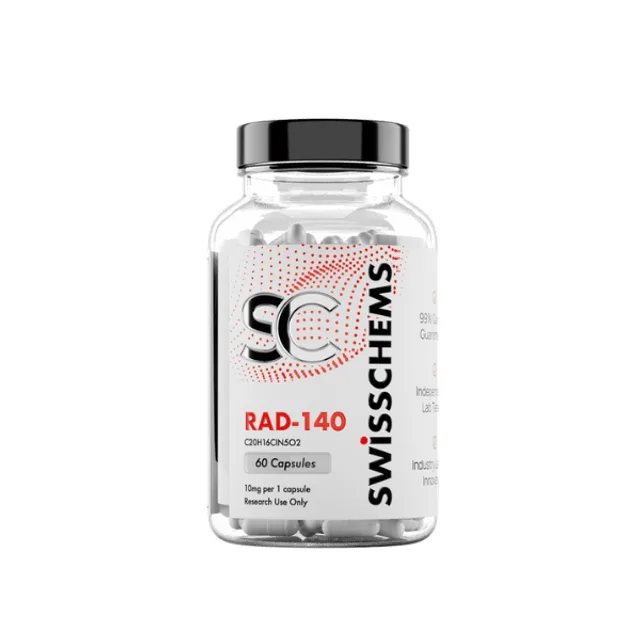
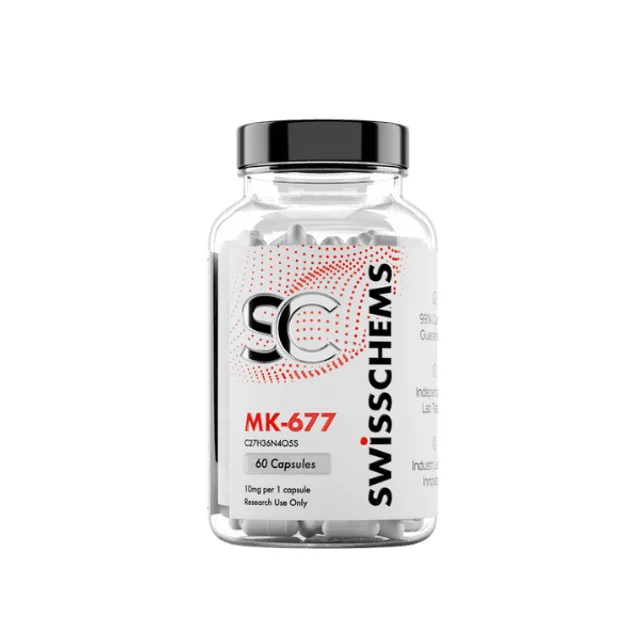
Capsules, the only SARM format at Swiss Chems, are pre-measured, but each capsule holds a tiny amount of compound mixed with filler, so individual capsules can vary more than a well-mixed liquid. Swiss Chems itself says individual capsules may sit further from the label than the batch average. Powders are the cheapest per milligram and avoid solvent issues, but they need a scale accurate to a thousandth of a gram and careful handling.
Whatever the form, the certificate should match it. A COA run on raw powder does not tell you whether a finished liquid or capsule batch was mixed correctly, so look for reports on the finished product where the vendor offers them.
Price guide
Single-compound SARM products from the four vendors we ranked cost between $30 and $90 in October 2026, for bottles or packs holding roughly 300 to 750 mg of active compound. Because concentrations differ, price per milligram is the fairest comparison.
For Ostarine, Sports Technology Labs was cheapest at about 7.7 cents per mg ($57.99 for 750 mg), ahead of Umbrella Labs at 9.5 cents ($70.99 for 750 mg) and Swiss Chems capsules at 10.7 cents ($63.95 for 600 mg on sale). For RAD-140, Umbrella Labs worked out at 11.8 cents per mg, Swiss Chems and the Sports Technology Labs liquid at about 15 cents, and Southern SARMs at 21.7 cents because its liquid is only 10 mg/mL. Sports Technology Labs' 2 g RAD-140 powder was far cheaper per milligram at about 5.1 cents, but powders need an accurate lab scale.
For Cardarine, prices ranged from 7.5 cents per mg at Southern SARMs to around 11.8 cents at Umbrella Labs and Swiss Chems. Umbrella Labs' automatic 10% or 20% order discount and free shipping narrow the gap further on larger orders. Shipping also changes the real cost: Umbrella Labs ships free on every US order, Swiss Chems from $100, Sports Technology Labs from $149 and Southern SARMs from $200. Low prices are only worth having if the testing holds up, so weigh the price against the quality of each vendor's certificates.