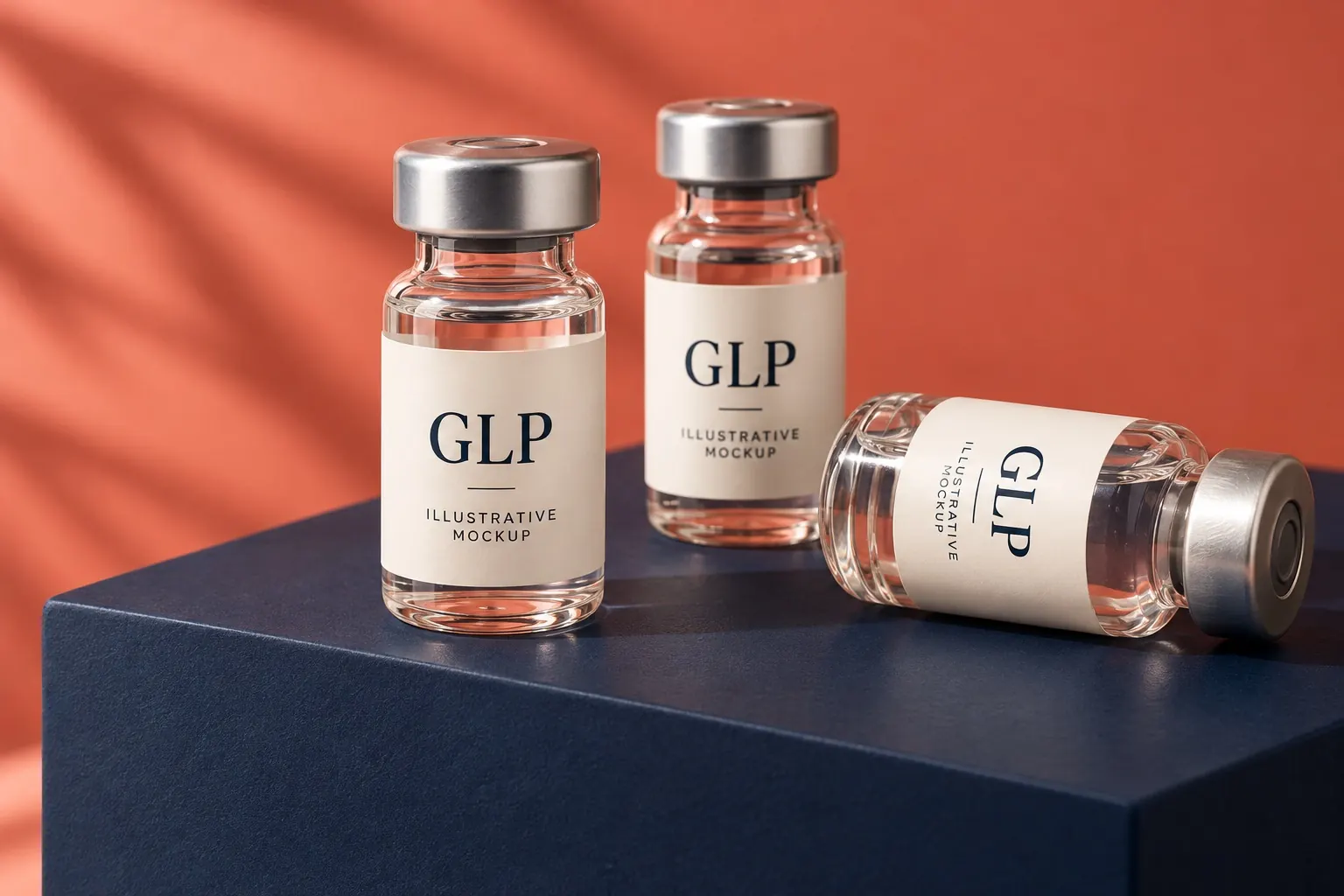
When you boil it down, peptide therapy is about giving your body a targeted boost. We're talking about things like torching fat faster, packing on lean muscle, bouncing back from injuries quicker, and even turning back the clock on your skin. These powerful little compounds act like highly specific messengers, telling your cells exactly what to do to get the job done.
Your Blueprint for Advanced Health Optimization
Ever feel like you’re spinning your wheels at the gym, stuck on a plateau you just can’t seem to break? Maybe you've noticed that nagging injuries take longer to heal, or that your skin doesn't have the same snap it used to. It happens to the best of us.
But what if you could fine-tune your body’s internal communication system? What if you could send direct messages to your cells to spark better performance, faster healing, and a genuine sense of vitality? That’s exactly what we're aiming for with peptide therapy.
A Precision Tool for Your Body
Don't mistake peptides for a magic pill. Think of them more like a set of highly specialized keys. Each key is designed to unlock a very specific door in your body.
One key might open the door to your metabolic furnace, telling it to burn fat for fuel. Another could be the key to your muscle-building workshop, signaling it to start repairing and growing tissue. Yet another might unlock the collagen factory in your skin cells, smoothing out fine lines. It’s this incredible specificity that makes them so powerful.
To give you a clearer picture, let's break down the main advantages you can expect when incorporating peptide therapy into your health plan.
Key Benefits of Peptide Therapy at a Glance
| Benefit Category | Primary Outcome | Who It's For |
|---|---|---|
| Muscle & Strength | Increased lean muscle mass and improved strength output. | Athletes, bodybuilders, and anyone looking to improve body composition. |
| Fat Loss | Enhanced metabolism and accelerated breakdown of fat stores. | Individuals focused on weight management and achieving a leaner physique. |
| Recovery & Repair | Faster healing of muscle, joint, and connective tissue injuries. | People recovering from injury or athletes enduring intense training cycles. |
| Anti-Aging | Improved skin elasticity, better sleep quality, and enhanced vitality. | Those seeking to combat the signs of aging and improve overall wellness. |
| Hormone Support | Better regulation of key hormones like growth hormone. | Men and women experiencing age-related hormonal shifts or imbalances. |
As you can see, the applications are broad yet specific, offering tailored solutions rather than a one-size-fits-all approach.
What to Expect from This Guide
This guide is your deep dive into the real-world application of peptides. We're going to cut through the noise and give you a clear, evidence-based look at what these molecules can do. Consider this the start of a smarter strategy for hitting your health goals.
Here are the key areas we’ll explore:
- Metabolic Optimization: How to get your body to burn fat more efficiently and build lean, calorie-burning muscle.
- Accelerated Recovery: Slashing downtime from tough workouts and injuries by supercharging your body’s built-in repair crew.
- Hormonal Balance: Ways to support your endocrine system for more consistent energy, a better mood, and peak performance.
- Anti-Aging Effects: Improving skin health from the inside out, deepening restorative sleep, and sharpening cognitive function for the long haul.
A core principle to remember is that peptides work with your body’s natural systems, not against them. They amplify what your body already knows how to do, which is why we see such specific and predictable results when used correctly.
Peptide therapy fits perfectly alongside other modern health strategies, including many popular biohacking recovery tools designed to speed up healing and push performance boundaries. By getting a handle on how these molecular messengers operate, you can start building a more intelligent and effective roadmap for your health.
How Peptides Communicate With Your Body
To really get why peptide therapy is so effective, we need to look under the hood. Your body is basically a massive communication network. Trillions of cells are constantly firing messages back and forth to coordinate everything from your heartbeat to healing a papercut. Peptides are the messengers in this intricate system.
Think of these short chains of amino acids as specialized couriers, each carrying a hyper-specific set of instructions. They travel through your bloodstream, find the exact cell they're looking for, and deliver a precise command.
Let's say you just finished a grueling workout. A specific peptide courier is dispatched to your muscle cells with a simple, powerful message: "Begin the repair and growth sequence now." Another might be sent to your fat cells with the instruction, "Release stored energy for fuel." That's the beauty of peptides—they don't guess. They execute specific orders with military precision.
The Lock and Key Analogy
Probably the best way to visualize how peptides work is with a "lock and key" model. Every cell in your body has receptors on its surface that act like tiny, uniquely shaped locks. Each peptide is a specific key, designed to fit only one type of lock.
- The Peptide (The Key): This is the signaling molecule carrying the instruction.
- The Cell Receptor (The Lock): This is the target on the cell's surface, waiting for the right signal to arrive.
When the peptide "key" fits perfectly into its corresponding cellular "lock," it triggers a specific action inside that cell. This targeted mechanism is what makes peptide therapy so incredibly precise and allows us to influence cellular behavior without causing a cascade of unintended side effects.
This is a crucial distinction. Unlike a sledgehammer approach that affects the whole body, peptides are like a surgical instrument. They allow us to zero in on a particular biological process—whether that's boosting growth hormone production or speeding up tissue healing—with remarkable accuracy.
This precision is exactly why so many people are turning to peptide therapy to achieve their specific health goals.
Peptides Versus Hormones and Steroids
It's easy to lump all performance-enhancing compounds together, but peptides, hormones, and steroids are fundamentally different. Grasping this difference is key to understanding why peptides have such a strong safety profile and offer a far more nuanced approach to health optimization.
Peptides Are Signalers, Not Replacements
Anabolic steroids are synthetic versions of hormones like testosterone. They work by directly replacing or simply overwhelming your body's natural production. This forces broad, systemic changes and often comes with a laundry list of side effects because you're affecting so many different systems at once.
Peptides, on the other hand, are what we call secretagogues. This fancy term just means they don't replace anything. Instead, they gently prompt your body's own glands—like the pituitary—to produce and release more of its own natural hormones, like human growth hormone (HGH).
| Compound Type | Mechanism of Action | Level of Precision |
|---|---|---|
| Peptides | Signal the body to perform a specific action (e.g., "produce more GH"). | Very High: Acts on specific cell receptors. |
| Hormones | Directly influence cellular function as the primary molecule. | Moderate: Affects multiple organ systems. |
| Steroids | Overwhelm natural hormone production with a synthetic version. | Low: Causes broad, systemic, and often unintended effects. |
Mimicking and Enhancing Natural Processes
The real power of modern peptide therapy is our ability to design synthetic peptides that perfectly mimic, or even improve upon, your body's natural signaling molecules. Scientists can essentially forge these "keys" to unlock very specific benefits.
For example, a peptide like Sermorelin is designed to look exactly like the body's natural growth hormone-releasing hormone (GHRH). When you introduce it, your pituitary gland recognizes it as a familiar signal and responds by producing more of your own growth hormone, just as it’s designed to do.
This ability to work with your body's innate systems, rather than against them, is what underpins all the benefits of peptide therapy. We're not forcing the body into an unnatural state; we're simply amplifying the instructions for processes essential for repair, vitality, and peak performance. Understanding this foundational concept is the key to seeing how peptides can help you build muscle, lose fat, and recover faster.
Accelerate Fat Loss and Build Lean Muscle
Let's be honest, for many people, this is the main event. The ability to reshape your body—to finally shed stubborn fat while building lean, strong muscle—is one of the most powerful draws of peptide therapy. It’s not magic, but it feels close. The secret lies in optimizing your body's own hormonal machinery to work for you, not against you.
Peptides don't just melt fat away randomly. They act as precise messengers, sending targeted signals that can completely change how your body sources its fuel. Think of your body as a hybrid engine that can run on either the food you just ate or the fat you’ve stored away. The right peptides basically tell that engine to start burning its fat reserves first, a process called lipolysis.
This creates a potent one-two punch for changing your physique. On one side, you’re telling your body to actively break down stored fat. On the other, by gently stimulating growth hormone, you're creating the ideal internal environment for building and keeping your hard-earned muscle.
Sparking Your Metabolic Engine with Growth Hormone
At the core of this transformation is human growth hormone (HGH). Many of the go-to peptides for body composition, like those from the GHRH (Growth Hormone-Releasing Hormone) and GHRP (Growth Hormone-Releasing Peptide) families, work by nudging your pituitary gland to produce more of its own natural HGH.
This is a world away from directly injecting synthetic HGH. It's a much more subtle and controlled approach that works with your body's natural daily rhythms. Boosting your HGH levels has a fantastic dual effect on your metabolism:
- Boosted Fat Metabolism: HGH encourages your fat cells to release fatty acids into your bloodstream, making them available to be burned as energy.
- Enhanced Muscle Growth: It also helps repair and grow muscle tissue, which is absolutely critical for building a stronger, leaner frame.
This combination is what makes these peptides such a game-changer. You’re not just losing weight; you're strategically improving your muscle-to-fat ratio. The result is a more defined, athletic look, which is why so many people are turning to peptide therapy to finally hit their fitness goals.
The Science of Sustainable Fat Loss
Peptide therapy has become a groundbreaking tool for managing metabolic health, especially when it comes to weight loss and diabetes. The clinical data is pretty staggering. Patients on Tirzepatide, for instance, have shown an average weight loss of 15-20% of their total body weight over 72 weeks. That kind of result blows traditional diet-and-exercise-only plans out of the water.
For bodybuilders or anyone serious about fitness, this translates to supercharged fat metabolism and better muscle preservation, especially during a cutting phase. The effectiveness comes from the way these peptides influence appetite, improve insulin sensitivity, and ramp up energy expenditure. It creates a path to fat loss that is actually sustainable because it works on a deeper, biological level.
Real-World Scenarios and Applications
This isn't just theory. Picture a dedicated bodybuilder who's hit a wall. His diet is perfect, his training is intense, but the scale and the mirror aren't budging. By adding a peptide protocol like CJC-1295/Ipamorelin, he can naturally elevate his HGH levels, helping him smash through that plateau to build denser muscle and get even leaner.
Or think about the busy professional who can't seem to lose that stubborn belly fat, no matter what they try. Stress and a packed schedule are working against them. Peptides that target metabolic function can help optimize their body’s fat-burning processes from the inside out, making every workout and healthy meal count for more. For a deeper dive, this guide on the best peptides for weight loss offers some great starting points.
Key Takeaway: Peptides for fat loss and muscle gain work by fine-tuning your internal hormonal environment. They aren’t a replacement for smart training and nutrition, but they can act as powerful catalysts that seriously amplify your results, helping you achieve the body you want much more efficiently.
Ultimately, this targeted approach helps you build a stronger, leaner, and more resilient body. By collaborating with your own natural systems, peptide therapy offers a sophisticated strategy for anyone who is serious about transforming their physique. To learn about specific protocols and strategies, check out our detailed guide on using peptides for weight loss and muscle gain.
Enhance Recovery, Injury Repair, and Anti-Aging
Of course, changing how your body looks is a major draw for peptide therapy. But where these compounds really come into their own is in supporting your long-term health—speeding up healing and helping you age gracefully. Peptides go far beyond the surface, working at a cellular level to fix damage, cool down inflammation, and fine-tune the systems that keep you feeling sharp and resilient. This is what makes them such a powerful tool for overall wellness.
Think of your body as having a dedicated repair crew on standby. Peptides like BPC-157 and TB-500 act as the foreman, dispatching that crew with speed and precision right where you need it. Whether you're dealing with a nagging shoulder from the gym or a pulled ligament from a weekend hike, these specific peptides can seriously cut down your recovery time.
How do they pull this off? By conducting a complex healing symphony. BPC-157, sometimes called the "body protection compound," is famous for its ability to encourage the growth of new blood vessels—a process known as angiogenesis. This is absolutely critical for getting oxygen and nutrients to damaged tissue. TB-500, on the other hand, is great for taming systemic inflammation and helps guide stem cells to the injury site, setting the stage for solid repair. For any athlete or person in physical therapy, this means less time on the sidelines and a quicker return to doing what you love.
Turning Back the Clock on a Cellular Level
When we talk about the anti-aging benefits of peptides, it’s about much more than just looking younger. It’s about feeling younger by getting your cells to function better. As we get older, our natural production of key hormones and signaling molecules drops off. This leads to the obvious signs like wrinkles, but also the less visible stuff like poor sleep and mental fog. Peptides can help push back against these changes.
- Better Skin Health: Some peptides can signal your skin cells to start producing more collagen and elastin, the two proteins that keep skin firm and youthful. The result is improved elasticity, fewer fine lines, and a healthier glow that comes from the inside out.
- Deeper, More Restorative Sleep: Peptides like Sermorelin or the CJC-1295/Ipamorelin combo work by encouraging your body's natural release of growth hormone, which is closely linked to our deep sleep cycles. People often report that they fall asleep faster, stay asleep through the night, and wake up feeling genuinely rested.
- Sharper Cognitive Function: By dialing down inflammation and supporting cellular health everywhere—including the brain—some peptides can help clear up brain fog and improve focus. The better sleep quality you get also plays a huge role here, creating a positive feedback loop for brain health.
Optimizing Hormonal Balance for Lasting Results
Peptides are also fantastic for supporting and stabilizing your endocrine system. This is especially true for anyone on Testosterone Replacement Therapy (TRT). Instead of just adding hormones from the outside, peptides can help your body produce its own more effectively, leading to more stable and sustainable health.
For instance, using specific peptide protocols alongside TRT can seriously amplify the benefits. We have clinical data showing that peptides like CJC-1295 and Ipamorelin can boost the body's own growth hormone production by 200-1000%. This can lead to incredible results; users often see 5-10% drops in body fat and around a 10% increase in lean muscle over just a 12-week period. It's a game-changer for bodybuilders trying to break through a plateau. And because peptides mimic the body's own signaling molecules, they generally have a better safety profile than many synthetic options. It's no wonder this approach is gaining traction, with over 280 peptide-based drugs currently in development. You can get a sense of how big this field is becoming by looking at the global peptide therapeutics market.
Key Insight: Peptides don’t just mask the symptoms of aging or injury. They go right to the source by improving how your cells talk to each other, reducing inflammation, and backing up the body’s innate ability to heal and regenerate itself.
This holistic approach—healing injuries faster, reviving skin, deepening sleep, and balancing hormones—is what makes peptide therapy so effective. It’s not about finding a magic fountain of youth. It’s about giving your body the exact tools it needs to perform at its peak, at any age.
A Practical Guide to Common Peptides
So, you understand the big-picture benefits of peptide therapy. Now for the fun part: figuring out which specific compounds actually get the job done. Stepping into the world of peptides can feel a little overwhelming at first, but a handful of key players come up again and again for their impressive track record and specific uses.
Think of each peptide as a specialized tool in a toolkit. Some are built for repair and recovery, others are masters of metabolism, and a few are incredible all-rounders for longevity and vitality. Once you get a handle on what each one does best, you can see how a personalized plan comes together to meet your specific health goals.
Here’s a look at some of the most popular peptides and what they're known for.
This kind of visual helps connect the dots, showing how peptides don't just work on one isolated problem. Instead, they influence core biological systems that are fundamental to how you look, feel, and perform long-term.
To make things clearer, let's explore a few of these peptides in more detail and then pull it all together in a quick-reference table.
The Growth Hormone Optimizers: CJC-1295 and Ipamorelin
This combination is widely considered the gold standard for naturally boosting your body's own growth hormone (GH) output. They work as a team: CJC-1295 is a Growth Hormone-Releasing Hormone (GHRH) that tells your pituitary gland to release GH, and Ipamorelin, a Growth Hormone-Releasing Peptide (GHRP), makes that signal stronger and more effective.
- Primary Function: To increase growth hormone levels in a way that mimics your body’s natural, rhythmic pulse—no dramatic spikes, just a steady, controlled elevation.
- Key Benefits: You're looking at enhanced fat loss, an easier time building lean muscle, much deeper sleep quality, and even better skin elasticity.
- Typical Use Case: This duo is perfect for anyone focused on improving body composition, pursuing anti-aging strategies, and boosting overall vitality. You can find out more about how CJC-1295 and Ipamorelin work together if you want to get into the science.
The Repair Specialist: BPC-157
If there's a "Wolverine" peptide, this is it. BPC-157, short for "Body Protection Compound," is a true powerhouse for healing and recovery. Originally isolated from a protein in stomach acid, it has remarkable regenerative effects that have made it a go-to for athletes and anyone bouncing back from an injury.
It primarily works by promoting the growth of new blood vessels, a process called angiogenesis. This is absolutely crucial for getting blood, oxygen, and nutrients to damaged tissues so they can actually heal.
BPC-157 is not a painkiller; it’s a repair-promoter. It gets involved at the cellular level to help rebuild tendon, ligament, and muscle tissue, helping you recover faster and more completely.
The Metabolic Regulators: Semaglutide and Tirzepatide
These two have made headlines for their game-changing impact on weight management and metabolic health. They are GLP-1 receptor agonists, which is a technical way of saying they help regulate blood sugar, significantly curb appetite, and slow down digestion. The result? You feel full longer and have far fewer cravings.
- Primary Function: Improve how your body uses insulin, put the brakes on appetite, and drive significant fat loss.
- Key Benefits: Substantial weight loss that people can actually maintain, much better blood sugar control, and a dramatic reduction in food cravings.
- Typical Use Case: Primarily prescribed under medical supervision for individuals dealing with obesity, insulin resistance, or type 2 diabetes.
Popular Peptides and Their Primary Applications
To give you a bird's-eye view, here is a simple breakdown of the peptides we’ve discussed and a few other common ones. This table should help you quickly compare their main roles and benefits.
| Peptide Name | Primary Function | Key Benefits | Commonly Used For |
|---|---|---|---|
| CJC-1295/Ipamorelin | Stimulates natural Growth Hormone (GH) release | Fat loss, muscle gain, improved sleep, skin health | Anti-aging, body composition, general wellness |
| BPC-157 | Systemic tissue repair and healing | Faster recovery from injury, gut health, reduced inflammation | Muscle/tendon/ligament injuries, gut issues (IBS) |
| Semaglutide/Tirzepatide | GLP-1 receptor agonist for metabolic control | Significant weight loss, appetite suppression, blood sugar regulation | Weight management, obesity, type 2 diabetes |
| GHK-Cu | Promotes collagen production and skin repair | Reduced wrinkles, improved skin elasticity, wound healing | Skincare, anti-aging, hair growth |
| Tesamorelin | GHRH analog for GH release | Reduces visceral (belly) fat, improves cognitive function | Abdominal fat reduction, HIV-associated lipodystrophy |
As you can see, these compounds aren't one-size-fits-all. The right choice really comes down to what you’re trying to achieve, whether it’s healing a nagging injury, fine-tuning your metabolism, or investing in your long-term health.
How to Integrate Peptide Therapy Safely
Knowing what peptides can do is one thing, but using them safely and effectively is a whole different ballgame. It’s easy to get excited about the potential benefits, but we need to be clear: peptides aren’t like over-the-counter supplements you can just experiment with. They are potent biological messengers that signal your body to perform very specific actions.
Messing with these systems without a deep understanding of what you're doing is a bad idea. Think of it like trying to tune a high-performance engine without knowing what any of the parts do. You’re far more likely to break something than to make it run better. That's why professional guidance isn't just a recommendation; it's a requirement.
Why You Need a Pro in Your Corner
The internet is flooded with "research" sites selling peptides, and trying to go it alone is a massive gamble. You're not just risking your money; you're risking your health on products that could be impure, under-dosed, or outright fake. Real, lasting results from peptide therapy come from a precise and medically supervised approach.
Working with a qualified professional is non-negotiable for a few key reasons:
- Getting a Real Baseline: A good practitioner won't just guess. They'll start with comprehensive lab work to see exactly where your hormone levels and other biomarkers stand.
- Ensuring Product Purity: You'll get pharmaceutical-grade peptides from legitimate compounding pharmacies. This is the only way to guarantee what you're injecting is pure, potent, and safe.
- A Plan Built for You: Your protocol will be designed specifically for your goals, your body, and your lab results. They can also help you properly use tools like a peptide dosage calculator to ensure precision.
Peptides Don’t Work in a Bubble
It’s crucial to understand that peptides are powerful catalysts, not magic bullets. They work best by amplifying the positive effects of a solid health foundation. You can’t expect to out-peptide a poor diet, inconsistent training, or a chronic lack of sleep.
Peptides are a powerful tool in your toolbox, but they aren't the whole toolbox. The real magic happens when you combine them with smart training, dialed-in nutrition, and a serious commitment to recovery.
This synergy is what creates truly remarkable transformations. For example, in bodybuilding and athletics, certain peptides can accelerate wound and tissue healing by 30-50%, drastically cutting down recovery time. This means you can train harder and more frequently without breaking down.
With over 280 new peptide drugs currently in development, their role in targeted, personalized medicine is only going to grow. At Lindy Health, our entire philosophy is built around this integrated approach. We don't just prescribe peptides; we weave them into a comprehensive plan that builds strength, boosts recovery, and builds a robust defense against aging.
By partnering with an expert, you move from risky guesswork to a strategic, data-driven approach to optimizing your health for the long haul.
Common Questions About Peptide Therapy
Diving into any new health protocol naturally brings up questions. When it comes to something as specific as peptide therapy, you want clear, straight-up answers to feel confident you're making the right call for your health. Let’s tackle some of the most common ones I hear.
Are Peptides Legal and Safe?
This is the big one, and the answer really comes down to where you get them and how you use them. Certain peptides, like Sermorelin, are actual FDA-approved prescription drugs, meaning a doctor has to prescribe them for a specific medical reason.
The real wild west is the online market, flooded with vials labeled "for research purposes only." These products have zero regulatory oversight, so you have no idea what you're actually getting in terms of purity or dosage. Real safety is non-negotiable, and it comes from working with a medical professional. A qualified clinic provides pharmaceutical-grade compounds and designs a protocol tailored to you, which is the only way to minimize risk and get the real benefits.
How Are Peptides Different from Steroids?
It's a crucial distinction, because they are fundamentally different tools. People often lump them together, but they couldn't be more different in how they work inside your body.
- Steroids are synthetic hormones. They essentially hijack your system by directly replacing or overpowering your body's own hormone production. This creates massive, system-wide changes and is why they come with such a long list of potential side effects.
- Peptides are signaling molecules. They don't replace anything. Think of them as precise little messengers that deliver a specific instruction, like "hey, pituitary gland, release a bit more growth hormone" or "start the repair process in this muscle tissue."
This targeted approach is why peptides have a much better safety profile and fewer off-target effects. It’s the difference between using a scalpel (peptides) for a precise incision versus a sledgehammer (steroids) to knock down a wall.
Peptides work with your body’s own systems, gently nudging them to carry out specific tasks. This cooperative approach is what sets them apart from the brute force of steroids and makes them a safe, effective tool within a well-designed health plan.
How Long Does It Take to See Results?
Patience is key here. The timeline really depends on the specific peptide, your goals, and how consistent you are with everything else—your training, your diet, your sleep. Some of the immediate perks, like deeper sleep or less post-workout soreness from a recovery peptide, can show up pretty quickly, sometimes within the first few weeks.
But the bigger, more visible changes like significant fat loss or new muscle take time. You're typically looking at 3 to 6 months of consistent use to see those results really start to compound. Peptides aren't a magic bullet; they're a powerful catalyst that dramatically speeds up your progress when you’ve already got your nutrition and training dialed in.
At Lindy Health, we build personalized, evidence-informed plans that safely integrate tools like peptide therapy to help you achieve your physique and wellness goals. Learn how our expert coaching can accelerate your progress today.