Is Liraglutide legal?
FDA approved- FDA status
- Liraglutide is FDA approved for: Type 2 diabetes mellitus (Victoza); Reducing the risk of major adverse cardiovascular events in adults with type 2 diabetes and established cardiovascular disease (Victoza, 2017); Type 2 diabetes in children aged 10 and older (Victoza, 2019); Chronic weight management (Saxenda); Chronic weight management in adolescents aged 12 and older with obesity (Saxenda, 2020).
- Compounding
- It is a prescription medicine. Use outside the approved indication is off-label and a clinician’s decision. Compounded copies are restricted when the approved product is available.
- Prescription
- A licensed US clinician can prescribe Liraglutide.
US status checked October 2026 against FDA’s compounding lists. Sources at the foot of the page.
What is liraglutide?
Liraglutide is a once-daily injectable drug that mimics GLP-1, a gut hormone that helps control blood sugar and appetite. It was developed by Novo Nordisk and approved by the FDA in 2010 as Victoza for type 2 diabetes. A higher-dose version, Saxenda, was approved in 2014 for chronic weight management.
Liraglutide was one of the first GLP-1 drugs to be widely used and the first to show a clear benefit on heart outcomes in people with type 2 diabetes. It has since been overtaken by once-weekly drugs such as semaglutide and tirzepatide, which lead to more weight loss. But it remains widely prescribed, and generic versions have been available in the US since 2024, which makes it one of the lower-cost options in its class.
- Anecdotal only
- In vitro only
- Animal models only
- Preliminary human
- Clinical trials
- Regulator approved
How liraglutide works
After a meal, your gut releases GLP-1. It tells the pancreas to release insulin when blood sugar is high, tells the liver to make less sugar, slows how fast the stomach empties, and signals the brain that you are full. Natural GLP-1 is broken down within minutes. Liraglutide is a modified version that lasts long enough to be injected once a day.
The result is lower blood sugar, smaller appetite and, for most people, weight loss. Because the insulin effect depends on blood sugar being high, liraglutide on its own rarely causes low blood sugar.
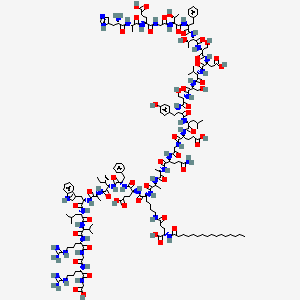
In more precise terms, liraglutide shares 97% of its amino acid sequence with human GLP-1 and carries a 16-carbon fatty acid attached through a glutamic acid spacer. The fatty acid binds albumin in the blood and makes the molecules cluster at the injection site. Both slow absorption and protect against breakdown by the enzyme DPP-4, giving a half-life of about 13 hours. It acts on the GLP-1 receptor in the pancreas, gut and brain, including appetite-regulating areas of the hypothalamus and brainstem.
GLP-1 drugs copy a gut hormone that the body breaks down within minutes; the drugs are modified to last hours or days. Dual and triple agonists add GIP and glucagon receptors.
What the research shows on liraglutide
Liraglutide has an extensive evidence base from large randomized trials, most of them funded by its manufacturer.
For heart health, the LEADER trial enrolled 9,340 people with type 2 diabetes at high cardiovascular risk and followed them for a median of 3.8 years. Heart attack, stroke or cardiovascular death occurred in 13.0% of people on liraglutide and 14.9% on placebo. Cardiovascular deaths and deaths from any cause were also lower.2 The trial was funded by Novo Nordisk and the National Institutes of Health.2
For weight loss, the SCALE trial randomized 3,731 adults without diabetes to the 3.0 mg dose or placebo for 56 weeks. People on liraglutide lost an average of 8.4 kg, compared with 2.8 kg on placebo. About 63% lost at least 5% of their body weight, versus 27% on placebo, and about a third lost more than 10%, versus 11%.4 In adolescents with obesity, liraglutide reduced BMI more than placebo, but BMI rose again after treatment stopped.7 A trial in children aged 6 to under 12 also found a greater reduction in BMI than placebo.3
Head-to-head trials show its limits. In STEP 8, weekly semaglutide led to a 15.8% average weight loss over 68 weeks versus 6.4% with daily liraglutide.1 In type 2 diabetes, the SUSTAIN 10 trial of 577 adults found that semaglutide lowered HbA1c by 1.7 points versus 1.0 with a common liraglutide dose, and weight by 5.8 kg versus 1.9 kg, over 30 weeks.8
Two other findings stand out. In 195 adults who first lost an average of 13.1 kg on an eight-week low-calorie diet, combining liraglutide with regular exercise kept off more weight and fat than either alone over a year.5 In a small phase 2 trial in people with the liver disease now called MASH, liraglutide resolved the condition in more patients than placebo, though the trial was small.6
Studied for: Type 2 diabetes, Chronic weight management.
Liraglutide reference data
| Molecular weight | 3,751.2 Da |
|---|---|
| CAS number | 204656-20-2 |
| FDA status | Type 2 diabetes mellitus (Victoza); Reducing the risk of major adverse cardiovascular events in adults with type 2 diabetes and established cardiovascular disease (Victoza, 2017); Type 2 diabetes in children aged 10 and older (Victoza, 2019); Chronic weight management (Saxenda); Chronic weight management in adolescents aged 12 and older with obesity (Saxenda, 2020) |
| Prohibited in sport | Not listed |
Liraglutide dosage in published research
Once daily, titrated weekly. A reference pattern, not a prescription.
How liraglutide is used in practice
Liraglutide is prescribed by primary care doctors, endocrinologists and obesity specialists. It comes in prefilled pens and is injected under the skin once daily. The dose is increased step by step over several weeks to reduce nausea. Victoza is used for type 2 diabetes. Saxenda is used for weight management in adults and adolescents with obesity, alongside diet and activity.
Many telehealth weight-loss services prescribe it, especially since generics lowered the price and when insurers will not cover weekly drugs. Because approved generics exist, there is little reason to use compounded liraglutide. Products sold online as research chemicals are not regulated and should be avoided.
Liraglutide risks and side effects
The most common side effects are nausea, diarrhea, vomiting, constipation and headache. In SCALE they were mostly mild or moderate.4 In the adolescent trial, digestive side effects affected about 65% of those on liraglutide versus 37% on placebo, and about 10% stopped treatment because of side effects.7
Serious but less common risks include gallbladder disease, pancreatitis and dehydration that can strain the kidneys. Liraglutide also raises resting heart rate slightly. In the weight-maintenance trial, faster heart rate and gallstones were seen more often with liraglutide alone than with liraglutide plus exercise.5
Liraglutide carries a boxed warning based on thyroid C-cell tumors in rodents. It should not be used by people with a personal or family history of medullary thyroid carcinoma or with multiple endocrine neoplasia type 2. It should not be used in pregnancy. Combined with insulin or sulfonylureas, it can cause low blood sugar. Because it slows stomach emptying, it can affect absorption of oral medicines and may matter before surgery under anesthesia. Weight usually returns after stopping.
Reported side effects
Alternatives to liraglutide
For weight loss, once-weekly semaglutide (Wegovy) and tirzepatide (Zepbound) produce substantially more weight loss in trials. Other approved options include phentermine-topiramate, naltrexone-bupropion and orlistat. Bariatric surgery remains the most effective option for severe obesity.
For type 2 diabetes, alternatives include weekly semaglutide (Ozempic), dulaglutide, tirzepatide (Mounjaro), SGLT2 inhibitors such as empagliflozin, and metformin. The right choice depends on heart and kidney risk, cost and tolerance.
The bottom line on liraglutide
Liraglutide is a proven, approved drug with strong trial evidence for blood sugar control, weight loss and heart protection in type 2 diabetes. It is less effective for weight loss than newer weekly drugs and needs daily injections. Its main advantages now are long experience and lower-cost generics.
Questions for a clinician
- What evidence applies to my situation, and at what level?
- What established alternatives should I consider first?
- What monitoring would be necessary, and how often?
Liraglutide FAQ
What is Liraglutide?
The first-generation daily GLP-1 agonist, largely superseded by weekly agents but still widely prescribed. It is classed as GLP-1 & incretins.
Is Liraglutide FDA approved?
Yes. Liraglutide is FDA approved for: Type 2 diabetes mellitus (Victoza); Reducing the risk of major adverse cardiovascular events in adults with type 2 diabetes and established cardiovascular disease (Victoza, 2017); Type 2 diabetes in children aged 10 and older (Victoza, 2019); Chronic weight management (Saxenda); Chronic weight management in adolescents aged 12 and older with obesity (Saxenda, 2020).
Is Liraglutide legal in the US?
Liraglutide is FDA approved for: Type 2 diabetes mellitus (Victoza); Reducing the risk of major adverse cardiovascular events in adults with type 2 diabetes and established cardiovascular disease (Victoza, 2017); Type 2 diabetes in children aged 10 and older (Victoza, 2019); Chronic weight management (Saxenda); Chronic weight management in adolescents aged 12 and older with obesity (Saxenda, 2020). It is a prescription medicine. Use outside the approved indication is off-label and a clinician’s decision. Compounded copies are restricted when the approved product is available.
What dose of Liraglutide is used in research?
Published research and practitioner protocols report 600 mcg - 3 mg, once daily, titrated weekly. This is a reference range, not a recommendation; dosing should be set by a licensed clinician.
What are the side effects of Liraglutide?
Reported side effects include nausea, diarrhoea, vomiting, headache, injection-site reactions. Contraindications: medullary thyroid carcinoma history, multiple endocrine neoplasia type 2, pregnancy.
What is the half-life of Liraglutide?
The reported half-life of Liraglutide is ~13 hours.
Is Liraglutide banned in sport?
Liraglutide is not specifically named on the WADA prohibited list, but athletes should check the current list and their federation's rules.
Which telehealth clinics prescribe Liraglutide?
Clinics in our directory that list Liraglutide include Calibrate, WeightWatchers Clinic. Each is scored on our published rubric.
References
Regulatory and primary sources
- FDA: Bulk drug substances that may present significant safety risks (Category 2 and withdrawn nominations) ↗ · content current as of April 22, 2026; checked October 18, 2026
- FDA: Bulk drug substances used in compounding under section 503A ↗ · how the 503A categories work
- PubChem compound record (CID 16134956) ↗ · structure, identifiers, synonyms
- DailyMed: FDA-approved labeling for Liraglutide ↗ · indications, dosing, warnings as approved
- FDA Drugs@FDA database ↗ · approval history
- CAS Registry Number 204656-20-2 ↗ · chemical identity
Published literature
- Effect of Weekly Subcutaneous Semaglutide vs Daily Liraglutide on Body Weight in Adults With Overweight or Obesity Without Diabetes: The STEP 8 Randomized Clinical Trial.JAMA 2022.PubMed 35015037 · doi:10.1001/jama.2021.23619
- Liraglutide and Cardiovascular Outcomes in Type 2 Diabetes.N Engl J Med 2016.PubMed 27295427 · doi:10.1056/NEJMoa1603827
- Liraglutide for Children 6 to <12 Years of Age with Obesity - A Randomized Trial.N Engl J Med 2025.PubMed 39258838 · doi:10.1056/NEJMoa2407379
- A Randomized, Controlled Trial of 3.0 mg of Liraglutide in Weight Management.N Engl J Med 2015.PubMed 26132939 · doi:10.1056/NEJMoa1411892
- Healthy Weight Loss Maintenance with Exercise, Liraglutide, or Both Combined.N Engl J Med 2021.PubMed 33951361 · doi:10.1056/NEJMoa2028198
- Liraglutide safety and efficacy in patients with non-alcoholic steatohepatitis (LEAN): a multicentre, double-blind, randomised, placebo-controlled phase 2 study.Lancet 2016.PubMed 26608256 · doi:10.1016/S0140-6736(15)00803-X
- A Randomized, Controlled Trial of Liraglutide for Adolescents with Obesity.N Engl J Med 2020.PubMed 32233338 · doi:10.1056/NEJMoa1916038
- Efficacy and safety of once-weekly semaglutide 1.0mg vs once-daily liraglutide 1.2mg as add-on to 1-3 oral antidiabetic drugs in subjects with type 2 diabetes (SUSTAIN 10).Diabetes Metab 2020.PubMed 31539622 · doi:10.1016/j.diabet.2019.101117
Literature retrieved from PubMed on October 16, 2026, favouring human studies and reviews. Numbered markers in the text show which paper supports which statement; uncited entries are background reading.