Is Tirzepatide legal?
FDA approved- FDA status
- Tirzepatide is FDA approved for: Type 2 diabetes mellitus (Mounjaro); Chronic weight management (Zepbound); Moderate to severe obstructive sleep apnoea in adults with obesity.
- Compounding
- It is a prescription medicine. Use outside the approved indication is off-label and a clinician’s decision. Compounded copies are restricted when the approved product is available.
- Prescription
- A licensed US clinician can prescribe Tirzepatide.
US status checked October 2026 against FDA’s compounding lists. Sources at the foot of the page.
What is tirzepatide?
Tirzepatide is a once-weekly injectable drug developed by Eli Lilly that activates two gut hormone receptors at once: the GLP-1 receptor and the GIP receptor. It is a synthetic peptide of 39 amino acids, and it was the first dual agonist of this kind to reach the market.
The FDA approved it in 2022 as Mounjaro for type 2 diabetes and in 2023 as Zepbound for chronic weight management in adults with obesity, or overweight plus a weight-related condition. Zepbound was later also approved for moderate to severe obstructive sleep apnea in adults with obesity.
Tirzepatide sits at the center of the current wave of obesity medicine, alongside semaglutide. Unlike most compounds in this directory, it has a large, high-quality evidence base from industry-funded phase 3 trials involving thousands of participants.
- Anecdotal only
- In vitro only
- Animal models only
- Preliminary human
- Clinical trials
- Regulator approved
How tirzepatide works
After you eat, your gut releases hormones called incretins. Two of the most important are GLP-1 and GIP. They tell the pancreas to release insulin when blood sugar rises, slow the rate at which the stomach empties, and signal the brain that you are full. Tirzepatide imitates both hormones, but lasts for days instead of minutes. The result is lower appetite, smaller meals, better blood sugar control and, over months, substantial weight loss.
Why add GIP? GLP-1 drugs alone already cause weight loss. GIP receptor activity appears to add to the effect through actions in fat tissue and the brain, and it may soften some of the nausea associated with GLP-1 activity. The precise contribution of GIP is still debated.
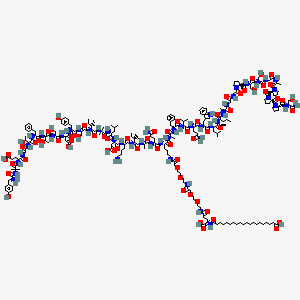
In more precise terms, tirzepatide is a 39-residue peptide based on the native GIP sequence, engineered to bind both the GIP receptor and the GLP-1 receptor, with greater relative activity at the GIP receptor. A C20 fatty diacid side chain attached through a linker lets it bind albumin in the blood, which slows clearance and gives a half-life of about five days. That allows once-weekly dosing. Doses are increased gradually over about 20 weeks to limit gastrointestinal side effects.2
GLP-1 drugs copy a gut hormone that the body breaks down within minutes; the drugs are modified to last hours or days. Dual and triple agonists add GIP and glucagon receptors.
What the research shows on tirzepatide
Weight loss is the headline result. In SURMOUNT-1, 2,539 adults with obesity but without diabetes were randomized to tirzepatide 5, 10 or 15 mg weekly or placebo for 72 weeks. Average weight loss was 15.0%, 19.5% and 20.9% with the three doses, compared with 3.1% on placebo. About half of participants on the two higher doses lost at least 20% of their body weight.2
Longer follow-up in participants who also had prediabetes showed weight loss of 12.3% to 19.7% at three years, against 1.3% on placebo. Only 1.3% of tirzepatide recipients developed type 2 diabetes, compared with 13.3% on placebo.1
Tirzepatide has now been compared directly with semaglutide twice. In type 2 diabetes, all three doses lowered HbA1c more than semaglutide 1 mg over 40 weeks, and produced more weight loss.8 In obesity without diabetes, SURMOUNT-5 found average weight loss of 20.2% with tirzepatide versus 13.7% with semaglutide at 72 weeks.6
Benefits extend beyond the scale. In obstructive sleep apnea, tirzepatide reduced breathing interruptions by about 25 to 29 events per hour, compared with about 5 on placebo.4 In patients with obesity and heart failure with preserved ejection fraction, it lowered the combined risk of cardiovascular death or worsening heart failure and improved symptoms.5
There are important limits. When participants who had lost weight on tirzepatide were switched to placebo, they regained about 14% of their body weight within a year, while those who continued kept losing.3 And not all lost weight is fat. In a body composition substudy, about a quarter of the weight lost was lean mass, the same proportion seen with placebo.7 All of these trials were funded by Eli Lilly.
Studied for: Type 2 diabetes, Chronic weight management, Obstructive sleep apnoea with obesity.
Tirzepatide reference data
| Molecular weight | 4,813.5 Da |
|---|---|
| CAS number | 2023788-19-2 |
| FDA status | Type 2 diabetes mellitus (Mounjaro); Chronic weight management (Zepbound); Moderate to severe obstructive sleep apnoea in adults with obesity |
| Prohibited in sport | Not listed |
Tirzepatide dosage in published research
Once weekly, titrated over 20+ weeks · usually run for about 72 weeks. A reference pattern, not a prescription.
How tirzepatide is used in practice
Tirzepatide is prescribed by primary care doctors, endocrinologists, obesity specialists and many telehealth services. It is injected under the skin once a week, starting at a low dose and stepping up every four weeks as tolerated. Treatment is intended to be long term, since stopping usually leads to weight regain.
Cost and insurance coverage shape access. Coverage for diabetes is common, while coverage for weight loss varies widely. Lilly also sells Zepbound vials directly to self-paying patients at a lower price than the pens.
During the drug shortage of 2022 to 2024, compounding pharmacies were allowed to make copies of tirzepatide, and many telehealth companies sold them. After the FDA declared the shortage over, that allowance ended. Some compounded and research-chemical versions are still sold. These products are not FDA reviewed, and the FDA has received reports of dosing errors and adverse events linked to compounded GLP-1 drugs.
Tirzepatide risks and side effects
The most common side effects are gastrointestinal: nausea, diarrhea, vomiting, constipation and indigestion. They are usually mild to moderate and occur mainly while the dose is being increased.2 In SURMOUNT-1, about 4% to 7% of participants on tirzepatide stopped because of side effects.
Less common but more serious risks include pancreatitis, gallbladder disease, dehydration leading to kidney injury, and severe allergic reactions. Low blood sugar is uncommon on tirzepatide alone but becomes more likely with insulin or sulfonylureas. Because it slows stomach emptying, anesthesiologists may need to know about it before procedures.
Tirzepatide carries a boxed warning about thyroid C-cell tumors seen in rodents. It should not be used by people with a personal or family history of medullary thyroid cancer or multiple endocrine neoplasia type 2. It is not recommended in pregnancy. It can reduce the effectiveness of oral contraceptives, so the label advises a non-oral or backup method for four weeks after starting and after each dose increase.
Loss of lean mass during rapid weight loss is a concern for older adults, which is why resistance training and adequate protein are often advised alongside treatment.7
Reported side effects
Alternatives to tirzepatide
Semaglutide (Wegovy for weight, Ozempic and Rybelsus for diabetes) is the closest alternative and has its own cardiovascular outcome data, though it produced less weight loss than tirzepatide in a head-to-head trial.6 Liraglutide is an older daily GLP-1 drug with smaller effects.
Other approved weight-loss medicines include phentermine-topiramate and naltrexone-bupropion, which are oral but generally less effective. Bariatric surgery still produces the largest and most durable weight loss for people with severe obesity. For sleep apnea, positive airway pressure therapy remains standard, and tirzepatide was tested both with and without it.4
The bottom line on tirzepatide
Tirzepatide is one of the most effective weight-loss and diabetes drugs available, backed by large randomized trials and a direct win over semaglutide. Its benefits last only as long as treatment continues, side effects are common early on, and cost is a real barrier. Branded, FDA-approved product is the safest way to take it.
Questions for a clinician
- What evidence applies to my situation, and at what level?
- What established alternatives should I consider first?
- What monitoring would be necessary, and how often?
Tirzepatide FAQ
What is Tirzepatide?
A dual GIP and GLP-1 receptor agonist that produced greater weight loss than semaglutide in head-to-head trial data. It is classed as GLP-1 & incretins.
Is Tirzepatide FDA approved?
Yes. Tirzepatide is FDA approved for: Type 2 diabetes mellitus (Mounjaro); Chronic weight management (Zepbound); Moderate to severe obstructive sleep apnoea in adults with obesity.
Is Tirzepatide legal in the US?
Tirzepatide is FDA approved for: Type 2 diabetes mellitus (Mounjaro); Chronic weight management (Zepbound); Moderate to severe obstructive sleep apnoea in adults with obesity. It is a prescription medicine. Use outside the approved indication is off-label and a clinician’s decision. Compounded copies are restricted when the approved product is available.
What dose of Tirzepatide is used in research?
Published research and practitioner protocols report 2.5-15 mg, once weekly, titrated over 20+ weeks, typically for 72 weeks. This is a reference range, not a recommendation; dosing should be set by a licensed clinician.
What are the side effects of Tirzepatide?
Reported side effects include nausea, diarrhoea, vomiting, constipation, dyspepsia, injection-site reactions. Contraindications: personal or family history of medullary thyroid carcinoma, multiple endocrine neoplasia type 2, pregnancy.
What is the half-life of Tirzepatide?
The reported half-life of Tirzepatide is ~5 days.
Is Tirzepatide banned in sport?
Tirzepatide is not specifically named on the WADA prohibited list, but athletes should check the current list and their federation's rules.
Which telehealth clinics prescribe Tirzepatide?
Clinics in our directory that list Tirzepatide include OneTwenty, Ro, Noom Med, Mochi Health, Marek Health, Found. Each is scored on our published rubric.
References
Regulatory and primary sources
- FDA: Bulk drug substances that may present significant safety risks (Category 2 and withdrawn nominations) ↗ · content current as of April 22, 2026; checked October 18, 2026
- FDA: Bulk drug substances used in compounding under section 503A ↗ · how the 503A categories work
- PubChem compound record (CID 156588324) ↗ · structure, identifiers, synonyms
- DailyMed: FDA-approved labeling for Tirzepatide ↗ · indications, dosing, warnings as approved
- FDA Drugs@FDA database ↗ · approval history
- CAS Registry Number 2023788-19-2 ↗ · chemical identity
Published literature
- Tirzepatide for Obesity Treatment and Diabetes Prevention.N Engl J Med 2025.PubMed 39536238 · doi:10.1056/NEJMoa2410819
- Tirzepatide Once Weekly for the Treatment of Obesity.N Engl J Med 2022.PubMed 35658024 · doi:10.1056/NEJMoa2206038
- Continued Treatment With Tirzepatide for Maintenance of Weight Reduction in Adults With Obesity: The SURMOUNT-4 Randomized Clinical Trial.JAMA 2024.PubMed 38078870 · doi:10.1001/jama.2023.24945
- Tirzepatide for the Treatment of Obstructive Sleep Apnea and Obesity.N Engl J Med 2024.PubMed 38912654 · doi:10.1056/NEJMoa2404881
- Tirzepatide for Heart Failure with Preserved Ejection Fraction and Obesity.N Engl J Med 2025.PubMed 39555826 · doi:10.1056/NEJMoa2410027
- Tirzepatide as Compared with Semaglutide for the Treatment of Obesity.N Engl J Med 2025.PubMed 40353578 · doi:10.1056/NEJMoa2416394
- Body composition changes during weight reduction with tirzepatide in the SURMOUNT-1 study of adults with obesity or overweight.Diabetes Obes Metab 2025.PubMed 39996356 · doi:10.1111/dom.16275
- Tirzepatide versus Semaglutide Once Weekly in Patients with Type 2 Diabetes.N Engl J Med 2021.PubMed 34170647 · doi:10.1056/NEJMoa2107519
Literature retrieved from PubMed on October 16, 2026, favouring human studies and reviews. Numbered markers in the text show which paper supports which statement; uncited entries are background reading.